We expose the damage the pornography industry causes — to children in classrooms, to women in relationships, to men trapped in compulsive use — and we campaign, research and advocate until something changes.
The Government has been handed clear recommendations to act. The only thing standing between those recommendations and the law is pressure from people like you.
We campaign, build the evidence and give society the tools to demand change.
Public campaigns that cut through the noise and force the conversation. Our current campaign is pushing the Government to implement the Pornography Review recommendations — and that starts with your MP.
Working with MPs, legal experts and policy makers to push for the legal changes that will make a lasting difference.
A platform for survivors and everyone whose life has been shaped by the harms we fight. Their stories drive everything we do.
Rigorous evidence that shows exactly what the industry doesn't want you to see, including our flagship report, Profits Before People.
Building the intellectual case for a culture where people are valued for who they are, not treated as products to be consumed.
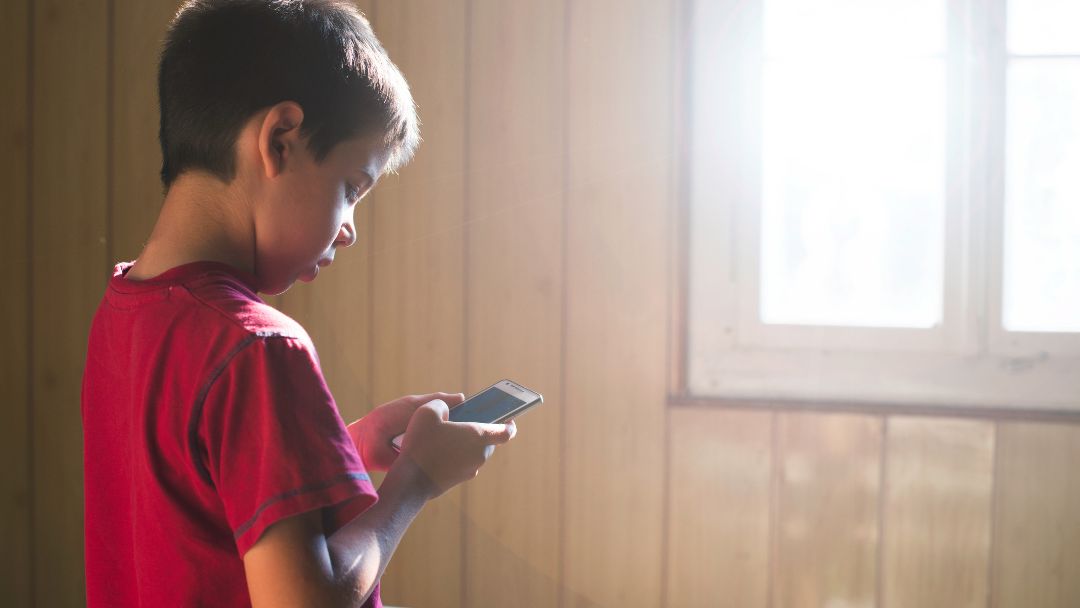
The average age a child in the UK first encounters pornography is 10. That's before secondary school. Before they've had any education about relationships, consent or what sex is supposed to mean.
The content isn't neutral. In the majority of cases it depicts aggression, coercion and the humiliation of women, presenting all of that as completely normal.
This doesn't happen to other people's children. It happens to all of them.
Source: CEASE / Barnardo's researchIn 2024, there was a 40% increase in reports of sexual assaults and rapes where both the victim and the perpetrator were under 18. One third of all child sexual abuse is carried out by other children.
This is what a generation raised on commercial sexual content looks like. The harms aren't abstract: they're playing out in our schools, our homes, our communities.
The children who do harm have also been harmed. This is what the sex industry produces.
Source: CEASE Foundational Research / National Crime Statistics 2024In 2024, 51 men were convicted in France for the rape of Gisèle Pelicot. The defendants were not fringe figures. They were teachers, nurses, soldiers, firemen. Most had no prior convictions. Many described their behaviour as normal.

Gisèle Pelicot insisted the trial be held in public. "Shame must change sides," she said. She was right. The shame belongs to a culture — not just to individuals.
CEASE exists to ask the harder question: what shaped these men? And how do we change it?
Source: Pelicot trial, France, 2024 · covered by BBC, Guardian, Le MondeA government-commissioned Ofsted review in 2021 found that around 90% of girls said sexist name-calling and receiving unwanted explicit images or videos happened "a lot" or "sometimes." Many described it as just part of school life.
These aren't isolated incidents. Researchers, safeguarding professionals and public bodies are pointing to unrestricted access to hardcore pornography as a significant contributing factor.
When this is ordinary, something has gone seriously wrong.
Source: Ofsted Review of Sexual Abuse in Schools and Colleges, 2021The people who have lived this are at the centre of everything we do. Their words are the reason CEASE exists.

"I see it in my classroom every day. Boys using language copied from pornography, girls making themselves smaller. Nobody is teaching them a different story. That's what CEASE is doing."
"I found out my son had been watching pornography since he was eleven. I had no idea how to talk to him about it. CEASE gave me the language and the courage to have that conversation."
"I didn't have language for it at the time. I just knew something felt wrong — like the way he saw me was shaped by something I couldn't see. Finding CEASE helped me understand what had happened. And that I wasn't alone in it."
"I didn't think I had a problem. That's how it works — nobody tells you there's a line, because the culture says there isn't one. CEASE helped me understand what I'd actually been looking for. It wasn't what the industry was selling me."
These are real people — children, women and men — in real places right now.
And yet the same arguments keep being used to say nothing should change.
Three arguments are used to shut down serious conversation about pornography. CEASE engages with all three — not to shame anyone, but because the evidence matters and these ideas need answering.
Hunger is natural. We still regulate food. People don't just want physical release — they want connection, closeness and to feel valued. The industry targets those deeper needs, then profits from never satisfying them. That's not freedom. That's exploitation.
We agree: shame helps no one. But there's a difference between shaming individuals and questioning an industry. The industry doesn't give people what they want. It shapes what they want, then charges for it. What feels like free choice is often just what the algorithm rewards.
Consent matters. It's never enough on its own. We don't accept "they agreed to it" as a full defence in any other industry where power and vulnerability are involved. And what people do in private doesn't stay private. It shapes what children grow up believing is normal.
Sexuality understood through
trust, care, and
genuine human connection —
not transaction.
This isn't a utopia. It's a human standard — the one that existed before it was commodified and sold back to us. CEASE exists to help society find its way back to it.
Hospitals treat injuries. Safeguarding teams protect children. Prosecution units pursue offenders. All vital work. But CEASE asks the harder question: what keeps producing these harms? A culture that treats sex as a product to be sold. That's what we challenge.
Everyone else responds after harm happens. We ask what's causing it in the first place, challenging the cultural and commercial systems responsible.
Every claim CEASE makes is grounded in research. We cite sources, publish openly, and hold ourselves to the same standards we ask of others.
Not left. Not right. Human. CEASE works across political, professional and ideological lines, because this is not a partisan issue.
We don't just fight harm. We work toward something better: sex understood through trust, care and genuine human connection, not commerce.
Our landmark report documents how the commercial pornography industry makes money from degradation, violence and exploitation, using the language of empowerment and free choice to avoid scrutiny.
The evidence is not contested. This industry profits from harm, and has been allowed to operate by rules no other sector would accept. That needs to change.
The Pornography Review gave the Government a clear plan. The evidence is there. The recommendations are there. The only thing left is for MPs to hear from the people they represent. One email. Two minutes. Real impact.
CEASE doesn't just challenge what's wrong. We work toward something better: a world where people are valued for who they are, not treated as products. That world is built by ordinary people making deliberate choices.
We'll send you campaign updates and research. No spam, ever. Unsubscribe anytime.